Dermal fillers are among the most popular cosmetic treatments, helping to restore lost volume, enhance facial features, and rejuvenate the skin with natural-looking results. Because they’re so commonly requested, one of the most frequent questions we hear is whether filler can shift after treatment, also known as filler migration.
At RUMA Medical, we want you to feel informed and confident. Let’s break down what filler migration is, why it happens, and the steps we take to prevent it.
What Is Filler Migration?
Filler migration occurs when the dermal filler moves away from the area where it was originally placed. This can lead to puffiness, lumps, or an uneven appearance. While migration can happen anywhere, it’s most commonly discussed in sensitive areas such as the lips, cheeks, and under the eyes.
Why Does Filler Migration Happen?
Several factors contribute to filler migration:
- Injection technique: Placing filler too superficially or in high-mobility areas increases the risk of movement.
- Filler type: Softer or more hydrophilic fillers can shift more easily under the skin.
- Overfilling: Using too much product in one area can create pressure, causing filler to spread.
- Individual anatomy: Skin thickness, muscle movement, and fat distribution differ per patient, affecting how filler behaves.
Understanding these factors is crucial for preventing migration and achieving a natural-looking result.
How We Prevent Filler Migration at RUMA
At RUMA Medical, patient safety and natural aesthetics are our top priorities. Here’s how we minimize the risk of filler migration:
1. Highly Trained Providers
Every provider at RUMA undergoes weeks of advanced training, regardless of prior experience. This training focuses on proper injection techniques, facial anatomy, and safe product placement. Expertise in these areas is the most important way to prevent filler from moving out of place.
2. Ultrasound Guidance
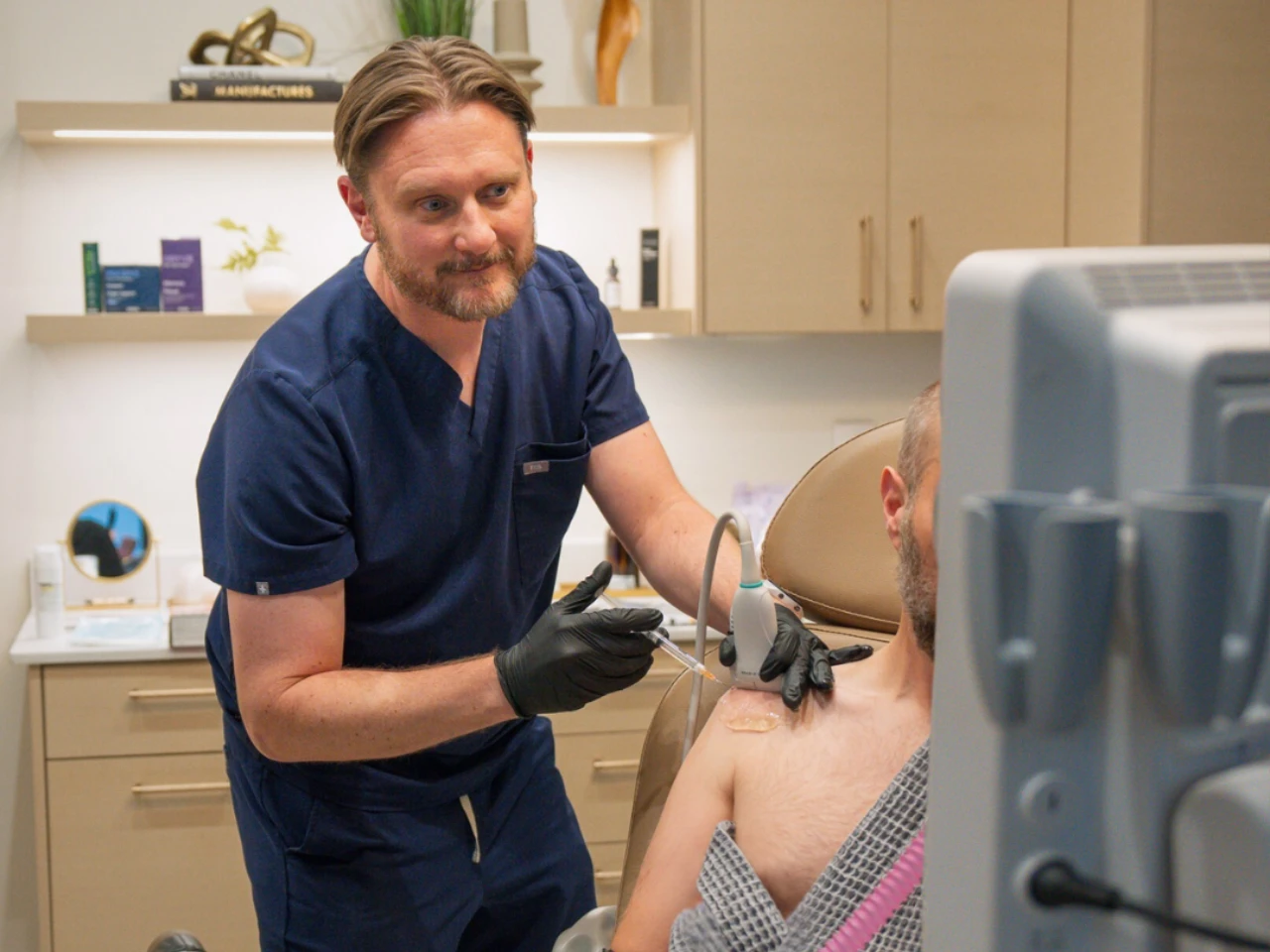
At RUMA, we offer ultrasound consultations for new patients to evaluate their unique facial structure and determine the placement of any previously injected filler. This allows us to see exactly where past filler is located, identify areas at higher risk for migration, and plan new injections with unmatched precision.
3. Combining Filler With Biostimulators
Instead of overfilling, we often combine dermal fillers with biostimulators. These treatments stimulate your body’s natural collagen production, restoring volume and structure gradually. This approach provides a soft, natural result without the risk of overfilling, giving you youthful and lasting enhancement.
Tips for Patients to Maintain Filler Results
While skilled injections and technology are crucial, patients can also take steps to help their filler last longer and reduce the risk of migration:
- Avoid excessive pressure on treated areas: Refrain from massaging, rubbing, or applying strong pressure for at least 2–3 weeks after treatment.
- Follow post-treatment instructions: Ice, elevation, and gentle care as recommended by your provider help minimize swelling and support proper placement.
- Schedule regular follow-ups: Routine check-ins allow your provider to monitor filler placement and address any concerns early.
- Communicate about previous treatments: Always let your provider know about any prior filler so they can assess your anatomy and adjust your treatment plan accordingly.
Whether you’re considering lip fillers, cheek enhancement, or facial rejuvenation, our team is here to deliver safe, beautiful results that age gracefully with you. Schedule your Medical Injection Consultation at RUMA today!